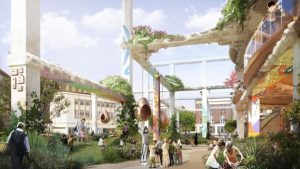
Urban environments are changing but not in the ways you might expect. Across cities worldwide, planners, residents, and local governments are quietly reversing decades of development decisions. They’re turning away from concrete, controlled landscapes and bringing back something that once seemed incompatible with city life: wild nature. This movement, known as urban rewilding, is reshaping how cities think about space, sustainability, and the future of living.
Once viewed as chaotic or unkempt, wild landscapes are now being welcomed back into city spaces. From abandoned lots transformed into pollinator gardens to green roofs teeming with native plants, the return of nature is happening in subtle but powerful ways. It’s not a headline-grabbing revolution it’s a quiet, grassroots shift that’s gaining serious traction.
Tools that support individual engagement are helping too. Even something as simple as updating your digital presence like creating a new image using a PFP creator can be a micro-act of rewilding how you show up in digital ecosystems. Just as cities are redesigning their landscapes to be more organic and inclusive, people are redefining how they represent themselves, focusing more on natural, authentic expression.
What Is Urban Rewilding?
Urban rewilding is the process of restoring natural ecosystems within city landscapes. It’s not about creating perfectly manicured parks it’s about letting nature come back in a way that supports biodiversity and ecological balance. This might mean planting native grasses instead of decorative turf, removing pavement to allow soil to breathe, or allowing parts of public land to return to a semi-wild state.
Rewilding embraces a “less is more” approach. Instead of controlling every inch of space, it trusts ecosystems to self-regulate. It invites birds, bees, and even foxes back into the heart of cities. And as surprising as it may seem, this hands-off philosophy is starting to show measurable benefits for people and for the planet.
Why Cities Are Quietly Joining the Movement
City governments and planners have traditionally prioritized control: tidy lawns, pruned shrubs, and straight, paved walkways. But as climate stress, biodiversity loss, and urban heat islands become more urgent issues, that approach is no longer working.
Rewilding offers a way to tackle these problems without major infrastructure overhauls. Plants cool the air, absorb carbon, manage stormwater, and improve soil health. Wild areas require less maintenance than traditional landscaping. They create spaces for people to relax, explore, and connect with something that feels real something beyond concrete.
There’s also growing public appetite for greener, more breathable cities. People want space to walk, rest, and be surrounded by life. They want neighborhoods that feel alive, not just efficient. Rewilding speaks to those desires.
The Role of Individuals in Urban Rewilding
Urban rewilding isn’t just about city planners or environmentalists. Regular people are helping lead the movement sometimes without realizing it. Community gardens, seed bomb projects, vertical planters on balconies, or even refusing to mow a yard are all forms of micro-rewilding.
What’s remarkable is how personal the movement has become. It’s not just about aesthetics; it’s about values. Choosing native plants instead of decorative ones, leaving dead wood for insects, or letting wildflowers grow naturally reflects a deeper shift in thinking. People are choosing to co-exist with nature, not dominate it.
Why This “Silent Shift” Matters
Unlike massive infrastructure projects, urban rewilding doesn’t require fanfare. It doesn’t demand big budgets or years of planning. It thrives in cracks, corners, and overlooked spaces. It’s slow and steady, but incredibly effective.
As more people reconnect with the rhythms of nature especially in urban areas it changes how we value time, space, and well-being. Rewilded areas help lower stress, improve air quality, and support species that have long been pushed out. They also give cities a new kind of resilience in the face of climate challenges.
And perhaps most importantly, this shift helps us imagine different ways of living in cities. It reminds us that nature isn’t something “out there” beyond the suburbs it can live beside us, around us, and even within us.
What’s Next for Rewilding in Cities?
As the benefits become clearer, we can expect to see urban rewilding grow in scale. More policy support, new zoning ideas, and public-private partnerships are likely to emerge. But the heart of the movement will stay the same: working with nature instead of against it.
Even the smallest actions a garden, a patch of flowers, a choice not to pave a backyard can make a difference. The power of this movement lies in its simplicity and accessibility. Everyone has a role, and every bit of green space counts.