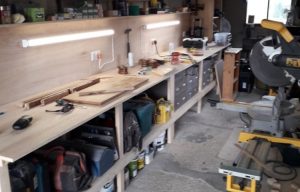
For many property owners, building a workshop is an exciting project. A workshop can become a place where ideas come to life, equipment is stored safely, and projects finally get the space they deserve. Whether someone enjoys woodworking, auto repair, metal fabrication, or general DIY work, having a dedicated workshop can make a huge difference.
Before starting construction, it is important to take some time to plan. Building a workshop is an investment, and careful preparation can help ensure the space meets your needs for many years. From choosing the right location to deciding on materials, there are several important factors to think about before building a workshop on your property.
Think About How You Will Use the Space
The first step in planning a workshop is deciding exactly how the space will be used. Some people need a small workshop for hobbies, while others require a larger space for tools, vehicles, and equipment.
If you plan to work on vehicles or machinery, you may need taller ceilings and larger doors. Woodworkers often need room for workbenches, saws, and lumber storage. If your workshop will double as a storage area, you may also want extra floor space or shelving.
Thinking about how you will use the workshop will help guide many other decisions, including the size of the building and its layout. It is always better to plan for a little extra room than to feel cramped later on.
Choose the Right Location on Your Property
Location matters more than many people realize. When planning a workshop, consider how easy it will be to access the building throughout the year.
Placing the workshop too far from the house can make daily use inconvenient. At the same time, it should be positioned in a way that allows enough space for vehicles to move around easily. If you plan to bring trailers, trucks, or equipment in and out of the building, you will want clear access and plenty of turning room.
It is also helpful to think about drainage and ground conditions. Building on level ground with proper drainage can prevent future issues with water around the structure.
Consider the Size Carefully
One of the most common regrets people have after building a workshop is wishing they had built it larger. Tools, equipment, and materials can take up more space than expected, and projects often grow over time.
When planning your workshop, think not only about what you need today but also what you may need in the future. If you plan to buy more equipment or take on larger projects, a little extra space can go a long way.
Even if you are building the workshop mainly for hobbies, having enough room to move around comfortably will make the space much more enjoyable to use.
Decide on the Right Building Materials
Another important decision is choosing the right materials for the structure. Traditional wood buildings have been common for many years, but more property owners are now exploring steel structures for workshops.
Steel buildings are known for their durability and strength. They can handle heavy snow loads, strong winds, and changing weather conditions. In regions with colder climates, this reliability is especially valuable.
Many contractors involved in Montana steel building construction help property owners design workshops that are both strong and practical. Steel buildings also allow for wide open interiors, which means fewer support columns and more usable space for equipment and projects.
This type of construction can be a great option for people who want a long-lasting workshop with minimal maintenance.
Plan for Electricity and Lighting
A workshop without proper lighting or electrical outlets can quickly become frustrating. Before building begins, think about the tools and equipment you plan to use.
Power tools, air compressors, welders, and other equipment often require specific electrical setups. Working with an electrician during the planning phase can help ensure the building has the right wiring and outlets.
Lighting is another important detail. Bright, even lighting can make a workshop safer and more comfortable. Natural light from windows can also be helpful, especially during daytime projects.
Think About Heating and Insulation
If you plan to use your workshop year-round, heating and insulation are worth considering. Cold winter temperatures can make it difficult to work comfortably in an uninsulated building.
Adding insulation during construction can help maintain a more stable temperature inside the workshop. This is especially important if you store tools, paints, or materials that should not freeze.
Some workshop owners also install small heating systems so they can continue working on projects during colder months.
Storage and Organization
A well-organized workshop makes projects easier and more enjoyable. Before construction begins, think about how you want to store tools, materials, and equipment.
Wall space can be used for tool racks and shelves. Some people install overhead storage for seasonal equipment or less frequently used items. Planning for these features ahead of time can make the workshop far more functional once it is finished.
Large doors can also make a big difference. Wide garage style doors allow vehicles, trailers, or large equipment to move in and out easily.
Work With Experienced Builders
Building a workshop involves more than simply putting up walls and a roof. Design choices, materials, and site preparation all play important roles in how well the building performs over time.
Working with experienced professionals can help ensure the project goes smoothly. Builders who specialize in Montana steel building construction often understand the unique challenges that come with local weather conditions and rural properties. Their experience can help guide decisions that lead to a stronger and more reliable building.
Creating a Space for Work and Creativity
A workshop can become one of the most useful buildings on a property. It can serve as a place to repair equipment, work on vehicles, build furniture, or tackle creative projects. For many people, it also becomes a space to relax and focus on the work they enjoy.
By taking time to plan carefully and consider your needs, you can create a workshop that serves you well for many years. With the right location, materials, and design, your workshop can become a valuable part of your property and a place where great projects begin.